After Tooth Extraction Do's and Don'ts | Dr. Neetu Jhunjhunwala | 20+ Years Dental Experience
Discover expert aftercare tips from Dr. Neetu Jhunjhunwala with 20+ years of experience. Learn what to do and avoid after tooth extraction to ensure fast healing and avoid complications like dry socket or infection.
DR NEETU JHUNJHUNWALA
5/25/20252 min read
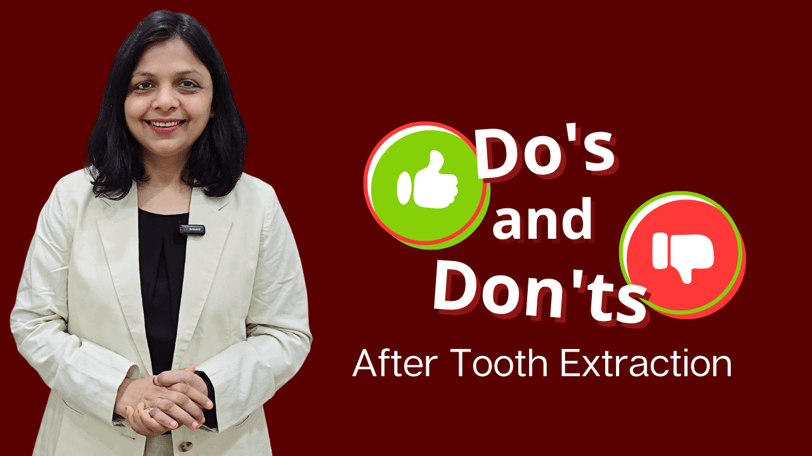
After Tooth Extraction: Do's and Don’ts for a Smooth Recovery
By Dr. Neetu Jhunjhunwala, 20+ Years of Dental Experience
Tooth extraction may sound intimidating, but with proper care and guidance, it can be a completely smooth and safe procedure. As someone who has been treating patients with compassion and precision for over two decades, I’ve seen how critical post-extraction care is in ensuring faster healing and avoiding complications like dry socket, swelling, or infection.
Whether it’s your wisdom tooth, a decayed molar, or a mobile tooth due to gum disease—what you do after extraction matters just as much as the procedure itself.
Here’s a complete guide on what to do and what to avoid after a tooth extraction.
✅ DO’s After Tooth Extraction
1. Bite on the Gauze Pad
Your dentist will place a sterile gauze pad over the extraction site. Bite down on it gently but firmly for at least 30 to 45 minutes. This helps to stop the bleeding and initiate clot formation.
2. Apply Cold Compress
To reduce swelling and discomfort, apply an ice pack on the outside of your face (near the extraction site) for 15 minutes on and 15 minutes off for the first 4–6 hours.
3. Take Prescribed Medications
Follow your dentist’s instructions for painkillers or antibiotics. Don’t skip doses. Medicines not only help manage pain but also prevent infection.
4. Rest and Keep Your Head Elevated
Avoid strenuous activity for at least 24 to 48 hours. Use extra pillows to keep your head elevated while resting. This helps reduce bleeding and swelling.
5. Eat Soft and Cold Foods
Stick to soft foods like curd, smoothies, soups (lukewarm), mashed potatoes, bananas, and boiled rice for the first 1–2 days. Chew away from the extraction site.
6. Maintain Oral Hygiene (Gently)
After 24 hours, gently rinse your mouth with warm salt water (not too hot) 2–3 times a day. This keeps the area clean and promotes healing.
❌ DON’Ts After Tooth Extraction
1. Don’t Spit or Rinse Forcefully
Avoid rinsing your mouth vigorously or spitting for the first 24 hours. It can dislodge the blood clot and delay healing (or cause a dry socket).
2. No Smoking or Tobacco
Absolutely no smoking for at least 72 hours. Nicotine constricts blood vessels and interferes with healing. It is one of the leading causes of dry socket.
3. Don’t Use a Straw
Sucking through a straw creates pressure in the mouth, which can pull out the blood clot. Avoid it for at least 3 days post-extraction.
4. Avoid Hot, Hard, or Crunchy Foods
Say no to spicy, hot, or crunchy foods like chips, fried snacks, or nuts. They can irritate or even get stuck in the socket, causing infection.
5. Don’t Touch the Extraction Area
Keep your tongue, fingers, or any object away from the extraction site. Tampering delays clot formation and introduces bacteria.
🦷 When to Call Your Dentist Immediately
While mild discomfort and swelling are normal, call your dentist if you notice:
Persistent bleeding after 24 hours
Severe or increasing pain
Foul smell or taste
Fever or chills
Pus discharge
Swelling that worsens instead of improving
Prompt attention can prevent complications and ensure optimal healing.
👩⚕️ Final Word from Dr. Neetu Jhunjhunwala
Every patient is different, but one thing remains common—aftercare is not optional. Over the last 20 years, I’ve guided thousands of patients through extractions, and those who follow these simple instructions almost always heal faster and better.
Take care of your smile—it’s a reflection of your health.
If you have any doubts or concerns after your extraction, don’t hesitate to consult your dentist. Early advice saves future trouble.
Stay safe, stay smiling.
— Dr. Neetu Jhunjhunwala
Dental Surgeon | 20+ Years of Experience | Passionate About Painless Dentistry